
Jacob Hess
After the passing of his dear older brother, Jacob stood before the people of Nephi with an earnest interest in “consoling and healing” them through the “pleasing word of God; yea, the word which healeth the wounded soul” (Jacob 2).
Even while doing just that, Jacob also admitted feeling “weighed down with much desire and anxiety” for his people’s welfare – to the point that he felt constrained to share other things he acknowledged would likely “enlarge the wounds of those who are already wounded.”
In particular, Jacob knew that his cautionary words about sexual boundaries being crossed among his people would be painful for some listening, which made his deeply-felt obligation to speak personally painful as well:
Wherefore, it burdeneth my soul that I should be constrained, because of the strict commandment which I have received from God, to admonish you according to your crimes, to enlarge the wounds of those who are already wounded, instead of consoling and healing their wounds; and those who have not been wounded, instead of feasting upon the pleasing word of God have daggers placed to pierce their souls and wound their delicate minds. (Jacob 2)
I believe the prophets in our day feel a similar pain, especially when teaching about issues they know are sensitive, and deeply personal. But like Jacob of old, they feel “constrained” to speak what God puts on their hearts – recognizing that whatever pain some might feel in their words, they are necessary to address a deeper woundedness that exists independent of their words.
Wounded America. There are enough wounds to go around in America today – of all kinds, and in all directions. Even more pervasive and life-threatening than physical wounds are those tearing at hearts, and minds – spirits and souls. In particular, lots of people feeling wounded when it comes to questions of sexuality today. The pain is real, often overwhelming, and sometimes even lethal.
Continue reading
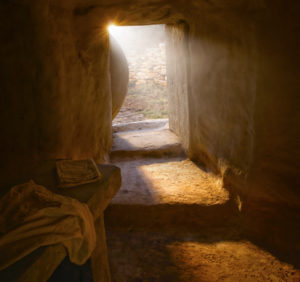 If I’m telling the truth, Easter is my favorite holiday of the whole year. There is no tree, or presents, no parties, no cards to send, and pretty much no stress — at least for me. All we have to worry about is celebrating the Atonement of Jesus Christ, the glorious resurrection, and the perfect plan of our Heavenly Father. The Bulgarians call it “Великден” (Velik Den), or The Great Day. I love that, because it really is the greatest of all days.
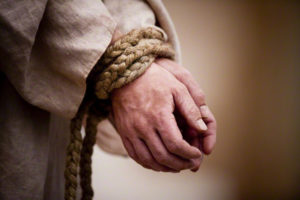 Today is Good Friday, the day when the Christian world remembers the death of Jesus Christ. I remember as a small child watching the news one Good Friday and seeing throngs of people pushing their way thru the
 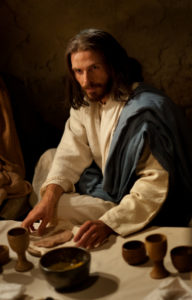 As we approach Easter, I always become a bit more contemplative on Thursday before Easter. Most of the Christian world refers to this day as “Maundy Thursday“. We don’t in the Church of Jesus Christ of Latter-day Saints. But the term has deep meaning, all the same. Maundy comes from the Latin word “mandatum” which means “to command”. On this night of the Holy Week, the Savior and his disciples met for one last time, to share the Passover meal and for one last lesson from the Master.