#LDSConf General Conference – 1 Apr ’17 – Sat PM Session

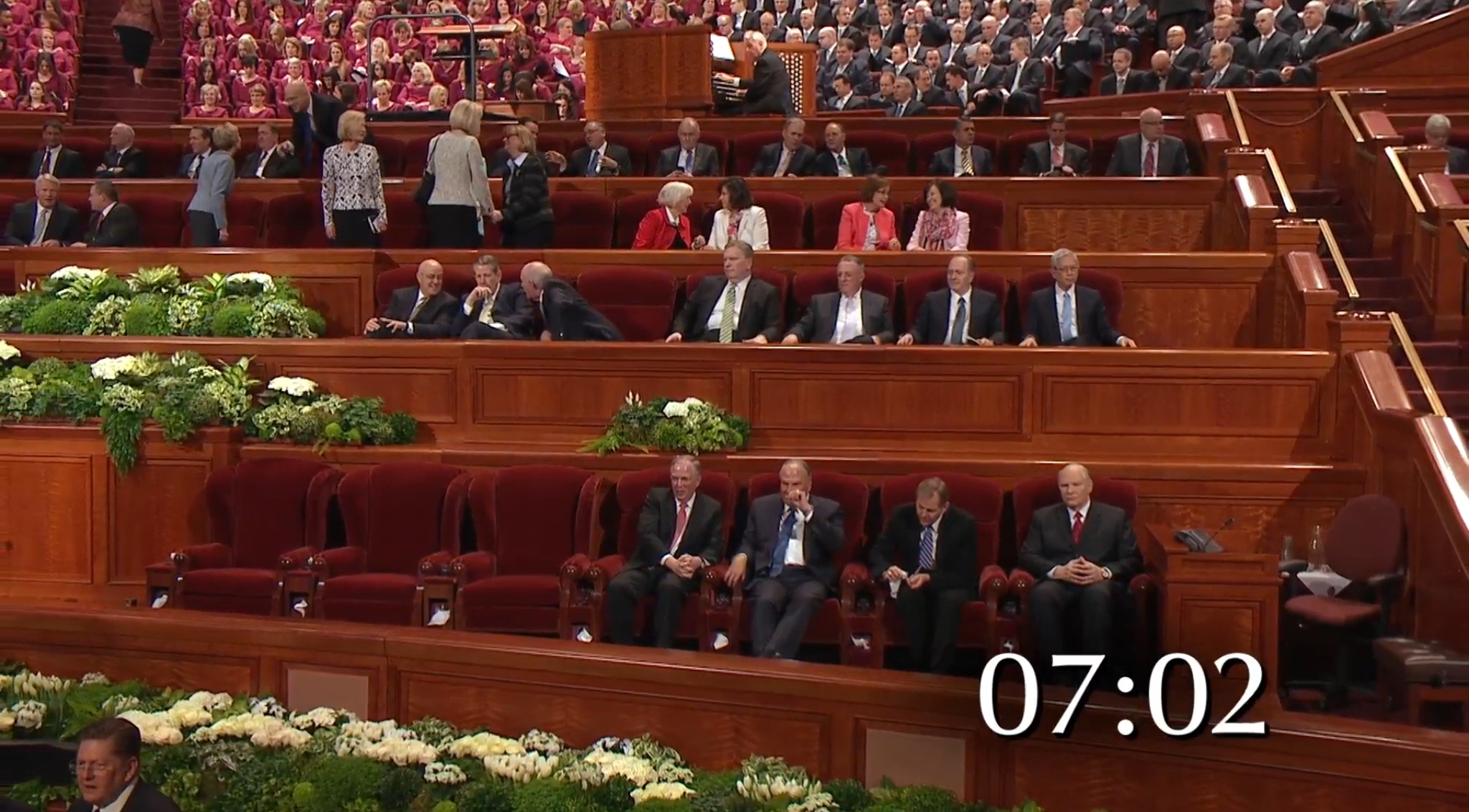
President Henry B. Eyring [First Counselor in the First Presidency of the Church] will be conducting this meeting.

President Henry B. Eyring: Welcome to all, participating in person or via TV, satellite broadcast, or the Internet. The Choir is composed of families from three Utah stakes.

Choir: Home Can Be A Heaven on Earth

Opening Prayer: Elder Von G. Keetch

Jump to Table of Contents

Continue reading

#LDSConf General Conference – 1 Apr ’17 – Sat AM Session

Live coverage of the Saturday AM session of General Conference. Post will be updated after each speaker.

President Dinter F. Uchtdorf, Second Counselor in the First Presidency of the Church will be conducting this meeting. President Thomas S. Monson presides.

Music is provided by the Mormon Tabernacle Choir

Choir: The Morning Breaks

President Dieter F. Uchtdorf: It is a beautiful day today in Salt Lake City and we extend a warm welcome. Our dear prophet has asked that I conduct this session.

Choir: Let Zion in Her Beauty Rise

Opening Prayer: Elder Kim B. Clark (I think)

Choir: Do What is Right

Continue reading

The American Dream – Utah Mormon Style

Megan McArdle went to Utah seeking answers. How is it that Utah has upward mobility approaching the most progressive nations in the world? She attempted to answer in an article published yesterday in Bloomberg:

https://www.bloomberg.com/view/articles/2017-03-28/how-utah-keeps-the-american-dream-alive

What is Upward Mobility?

If you are born in the bottom 25% of the population, how likely is it that you’ll pull yourself up into the top 25% of the population?

Denmark leads the world with a documented upward mobility a bit over 11%.

In Salt Lake City, upward mobility is just under 11%, the highest in the United States. By comparison, Charlotte, North Carolina, has upward mobility of only 4%.

Factors

Money Can’t Buy Dreams: Utah doesn’t spend to achieve this mobility. It’s spending on education per pupil is dead last in the nation.

Welfare, Mormon-style: But Utah government is able to lean on the many Mormons in the community. The Mormon welfare system comes in for astonished praise: Help them out, but get them to a point where they can help themselves.

Mercy: Regardling the dire poor, McArdle talks about how Utah prioritizes getting people in housing, “Housing First.” This can rankle with people who believe the poor deserve their plight, but in Mormon-dominated Utah, mercy tends to take precedent over justice.

Regarding others as Equals: In Utah the poor and the rich are in the same communities. The geographically-based Mormon congregations come in for a good part of this egalitarianism. In Utah people tend to see each other as equals. Children get to know those in the upper 25% of the economic pecking order, having a chance to have these folks as mentors and role models. McArdle suggests Utah’s racial sameness contributes to the lack of distrust and animosity seen on other communities.

Marriage: Finally, McArdle points out that marriage matters. Children raised by married parents fare better, putting them in a position to aspire to the upper middle class in their later lives. Even when there are single parents, children in a community where the majority of children have married parents do better, despite the unmarried state of their own parent(s).

Summary

McArdle worries that these factors that make Utah such a dreamy place aren’t easily replicated without Mormonism. But she hopes that some aspects of what makes Utah a place where every child can dream of aspire economic prosperity could be an example for other communities, if only to see that upward mobility is possible.


Three Sunday afternoon thoughts

Here are just a few thought’s I’ve had this Sunday afternoon, they are in no particular order.

Thought One: I posted a meme with a quote by Pres. Howard W. Hunter on the Millennial Star Facebook page a few weeks ago which said, “We need to be kinder with one another, more gentle and forgiving.”

Along the lines of forgiveness and kindness, in my Gospel Doctrine class today I included a story of Edward Partridge, the first bishop of the Church. He was one of the leaders of the Church in Missouri and in charge of helping people settle into land and life there. He was a target of mob violence and suffered a tarring and feathering. He said of the incident,

“I told [the mob] that the Saints had suffered persecution in all ages of the world; that I had done nothing which ought to offend anyone; that if they abused me, they would abuse an innocent person; that I was willing to suffer for the sake of Christ; but, to leave the country, I was not then willing to consent to it. I bore my abuse with so much resignation and meekness, that it appeared to astound the multitude, who permitted me to retire in silence, many looking very solemn, their sympathies having been touched as I thought; and as to myself, I was so filled with the Spirit and love of God, that I had no hatred towards my persecutors or anyone else” (Our Heritage: A Brief History of the Church of Jesus Christ of Latter-day Saints, chapter 4).

In the age of social media mob violence, we need to be kinder, gentler and more forgiving of each other. We will be more effective as Latter-day Saints by being kinder to people than by being argumentative and rude. Continue reading

#LDSconf General Conference – Mar 25, ’17, Women’s Session

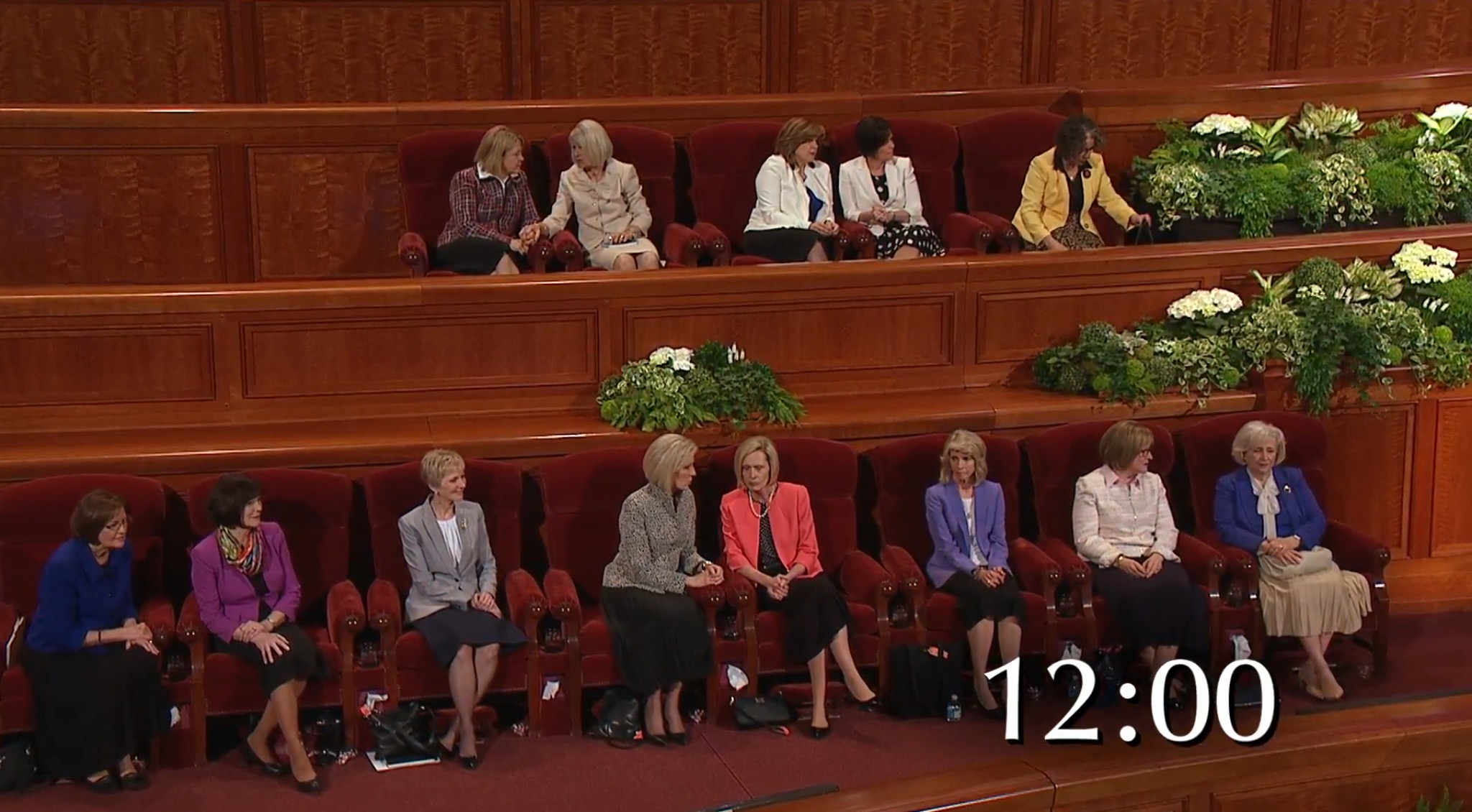
President Bonnie L. Oscarson [Young Woman General President] will be conducting this meeting.

President Oscarson: We are grateful to be gathered in the Conference Center. We hope you feel of our love for you. The First Presidency, adivisors, and the presidencies and boards for the Relief Society, Young Women’s Organization, and Primary are present on the stand.

The music will be provided by Relief Society sisters from Brigham Young University

Choir: Come, O, Thou King of Kings

Opening Prayer:

Choir: I Feel My Savior’s Love

Continue reading